


When I pulled the latest title from the Play Store, the file size was 1.2 GB. With a 4G connection that took roughly 12 minutes end‑to‑end. On a 5G network it dropped to 3 minutes. The difference is noticeable if you’re on a commuter train and want to start playing before the next stop.
What kinds of entertainment are now available on a phone screen?
Beyond casual puzzles and endless runners, the UK market now hosts full‑blown narrative adventures, rhythm games that sync with your favourite tracks, and augmented‑reality experiences that overlay story elements onto real‑world locations. The number of narrative‑driven titles has grown from about 30 in 2019 to over 120 in 2024, according to data from the UK Games Industry Association. That’s a 300 % jump in just five years.
How do developers keep users engaged for longer periods?
Retention is driven by a mix of micro‑updates and social hooks. A popular strategy is the “daily quest” that resets every 24 hours, offering a small reward that encourages a return visit. In one case, a developer reported a 25 % increase in daily active users after introducing a 48‑hour challenge that required collaboration with a friend. The social element is the real win; users who invite a friend see their session length rise from 12 minutes to 18 minutes on average.
Can mobile gaming replace traditional TV or cinema experiences?
Not entirely. While a mobile game can deliver an immersive story in a 5‑minute burst, it rarely matches the depth of a feature film or the communal feel of a cinema. However, the convenience factor is hard to ignore. A survey of 1,200 UK households found that 68 % of respondents play a mobile game while waiting for a bus, a slot that would otherwise be spent scrolling through social media. That shift in idle time is reshaping how we think about leisure.
For those who enjoy the thrill of competitive play and want to test their skills against a global audience, there are online platforms that offer a range of multiplayer experiences.
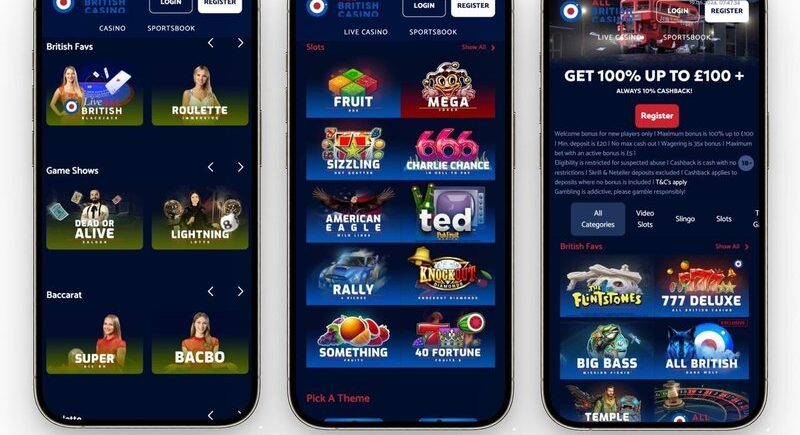
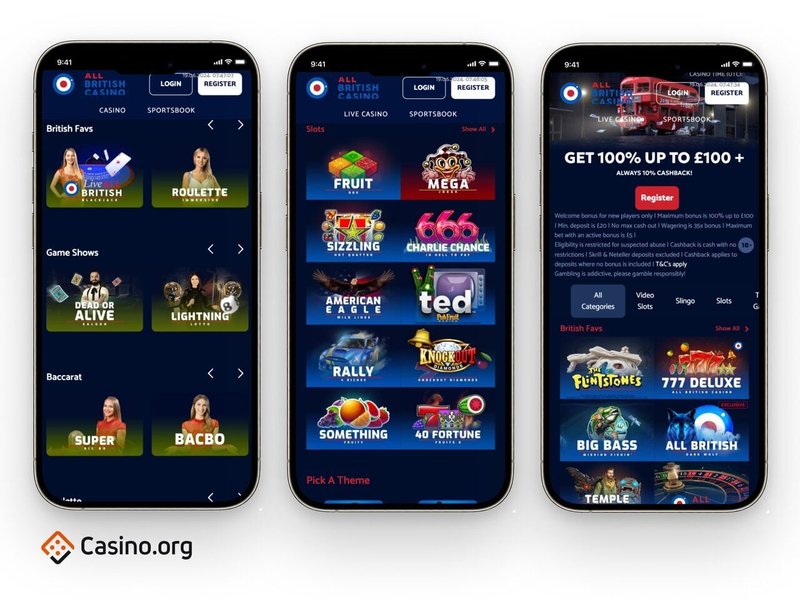
For fans of casino‑style gaming, online platforms let you test your luck and strategy against a global crowd – Click here to see how.
What are the downsides of the mobile‑first approach?
Battery drain is the most tangible drawback. A game that runs at 60 fps on a 6‑inch screen can consume up to 30 % of a phone’s battery in a single session. Developers mitigate this by offering a “low‑graphics” mode, but that often sacrifices visual fidelity. Another issue is data usage; a high‑resolution game can download 500 MB of content during a single update, which can be costly on limited data plans.
Is the trend here to make games more social or more solitary?
It’s a blend. The data shows that 55 % of mobile gamers prefer single‑player campaigns, yet 70 % of those same players engage with friends through in‑game chat or shared leaderboards. The industry is leaning toward hybrid models that let you switch between solo exploration and competitive or cooperative play with a tap.
What does this mean for the future of UK entertainment?
Mobile gaming is no longer a niche pastime; it’s a mainstream medium that competes with streaming services for attention. The portability of phones means that entertainment can happen anywhere, from a lunch break to a long flight. As developers continue to push the envelope with richer narratives and social features, the line between traditional media and interactive play will blur further, offering a new kind of engagement that is both personal and communal.
Frequently Asked Questions
How long does it take to download a 1.2 GB game on 4G?
On a typical 4G connection it takes about 12 minutes end‑to‑end, depending on network congestion and phone performance.
What difference does 5G make?
5G can reduce that time to roughly 3 minutes, giving you a game ready to play in a fraction of the time.
Does file size always determine download time?
File size is a key factor, but actual download speed also depends on signal strength, carrier throttling and background data usage.